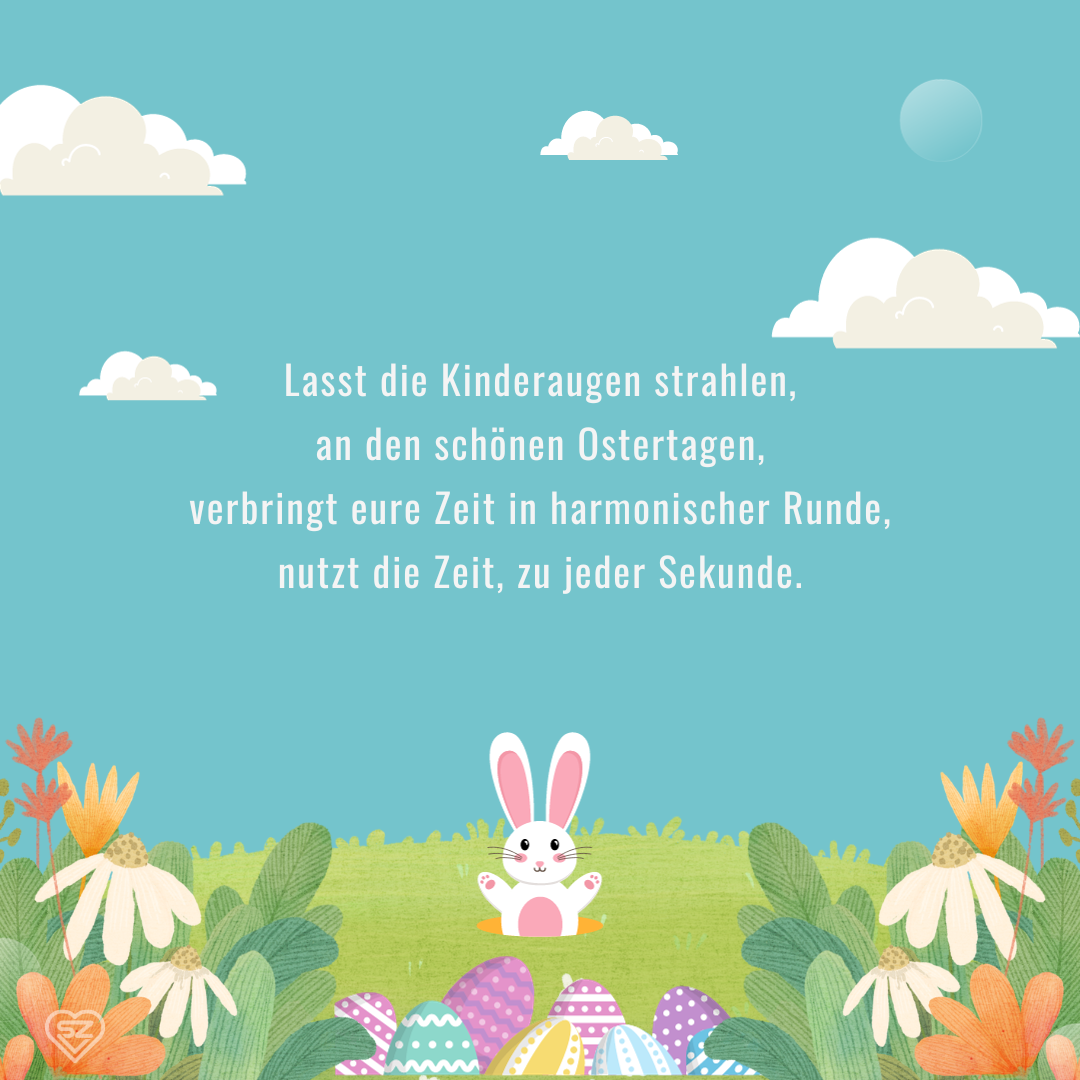
Finding Frohe Ostern Lustig Bilder: Your Guide to Humorous Easter Image Codes
Easter is a time of joy, renewal, and often, a touch of playful humor. As the spring blossoms emerge and the spirit of celebration fills the air, many look to add a lighthearted touch to their festive greetings. This is where the term "Ostern Lustig" comes into play – literally translating to "Easter Funny." People across German-speaking regions, and increasingly worldwide, seek out "Frohe Ostern Lustig Bilder" (Happy Easter Funny Pictures) to share smiles and laughter with friends and family. However, the journey to finding and sharing these delightful images isn't always a straightforward one. This guide will walk you through the nuances of searching for humorous Easter imagery, understanding the elusive "image codes," and ensuring a safe and successful sharing experience.Decoding "Ostern Lustig": More Than Just a Search Term
At its heart, "Ostern Lustig" embodies the desire to infuse the Easter holiday with comedy and cheer. While the traditional aspects of Easter – from religious observances to the hunt for chocolate eggs – are deeply cherished, there's also a significant cultural trend to lighten the mood with amusing visuals. These often feature mischievous bunnies, comically oversized eggs, or witty captions that play on common Easter themes. However, if you've ever typed "Ostern Lustig" into a search engine, you might have noticed an interesting pattern. Instead of finding long, in-depth articles discussing the history or psychology of Easter humor, your search often directs you to image galleries, greeting card sites, or, surprisingly, security verification pages. This phenomenon isn't random; it highlights the primary intent behind such searches: users are looking for *visual content* to share, not extensive textual analysis. The frequent appearance of security checks is a common experience when navigating certain types of image-heavy or gallery-focused websites. These security measures are often in place to deter bots, protect against spam, and ensure that only human users access the content. While sometimes inconvenient, they serve as a reminder to browse safely, especially when clicking on links from unfamiliar sources. For a deeper dive into why these security checks are so prevalent, consider reading our related article: Why Your Ostern Lustig Search Leads to Security Checks. Understanding this context helps set the stage for how these images are typically found and shared.The World of Ostern Lustig Images: What You'll Find
The variety of "Ostern Lustig" images available is as vast as an Easter egg hunt itself. These images are designed to evoke immediate amusement, making them perfect for quick shares on social media, messaging apps, or personal websites. When you embark on your quest for these funny pictures, you can expect to encounter a delightful array of themes and styles:- Mischievous Bunnies: From bunnies caught in the act of raiding the candy stash to those sporting comical expressions, the Easter bunny often takes center stage in humorous scenarios. Expect everything from cartoonish illustrations to digitally altered photographs.
- Egg-cellent Humor: Easter eggs, in their myriad forms, are ripe for comedic interpretation. Think eggs with grumpy faces, eggs performing unexpected feats, or eggs involved in slapstick accidents. The humor often comes from anthropomorphizing these festive symbols.
- Playful Puns and Wordplay: Many "Ostern Lustig" images combine visuals with clever German puns or phrases. While some humor might be specific to the German language, the visual gags often transcend linguistic barriers. Look for creative uses of common Easter phrases.
- Animals in Unexpected Roles: Beyond bunnies, other farm animals or even pets might appear in funny Easter-themed situations, adding an extra layer of charm and absurdity.
- Modern Twists on Traditions: Some images playfully subvert traditional Easter customs, offering a contemporary or ironic take on the holiday festivities.
Navigating Image Codes: Your Guide to Sharing Frohe Ostern Lustig Bilder
One of the key pieces of information gleaned from how "Ostern Lustig" images are typically shared is the prevalent use of "image codes." While modern social media platforms often streamline sharing with built-in buttons, older forums, guestbooks, personal blogs, and even some email clients still rely on these codes to display images. Understanding them empowers you to share your favorite "Frohe Ostern Lustig Bilder" across a wider range of digital spaces. So, what exactly are image codes? Simply put, they are snippets of text that instruct a web page or digital platform on how to display an image. Instead of uploading the image directly, you provide a link to where the image is hosted online, along with specific formatting tags. Here are the most common types of image codes you might encounter:- Direct Image URL:
This is the simplest form. It's just the direct web address (URL) of the image file itself (e.g., ending in .jpg, .png, .gif). While not a "code" in the traditional sense, it's the foundation for all other codes. Many platforms can auto-embed an image if you just paste its direct URL.
How to find: Right-click on an image (or long-press on mobile) and select "Copy image address" or "Copy image link."
- BBCode (Bulletin Board Code):
Prevalent in forums, bulletin boards, and some older content management systems, BBCode uses square brackets to format text and embed images. It's a simplified version of HTML, designed to be less complex for users.
Example:
[IMG]https://example.com/images/funny-bunny.jpg[/IMG]To use it, you simply paste the direct image URL between the
[IMG]and[/IMG]tags where BBCode is supported. - HTML Embed Code:
For websites, blogs, or more sophisticated platforms, you might use HTML (HyperText Markup Language) to embed images. This gives you more control over how the image appears, including its size and alternative text.
Example:

Here:
src="URL"specifies the source (the direct link to the image).alt="DESCRIPTION"provides alternative text, which is crucial for accessibility (screen readers) and SEO, describing the image content.width="X"andheight="Y"define the dimensions in pixels.
Many image hosting sites or galleries will provide a ready-made HTML embed code for you to copy and paste.
Best Practices for Finding and Using Ostern Lustig Images Safely
While the pursuit of "Ostern Lustig" images is all about fun, it's essential to approach it with a mindful eye towards safety, quality, and respect for creators. Following these best practices will ensure a smooth and enjoyable experience:- Prioritize Reputable Sources: Stick to well-known image repositories, stock photo sites, or established greeting card platforms. Websites with clear terms of service and privacy policies are generally safer. Be wary of sites that look suspicious, have excessive pop-ups, or demand personal information.
- Understand Copyright and Licensing: Not all images are free for unlimited use. Many "Frohe Ostern Lustig Bilder" are created by artists and designers who hold copyrights. Look for images explicitly labeled for "Creative Commons," "public domain," or "royalty-free" use if you intend to publish them beyond personal sharing. If in doubt, stick to sharing direct links or using social media's built-in sharing features, which usually credit the source.
- Heed Security Warnings: As mentioned, security verification checks are common. However, if a site presents excessive redirects, asks for unnecessary permissions, or prompts you to download suspicious files, close it immediately. Your device's security is paramount.
- Focus on Image Quality: A truly "lustig" (funny) image looks best when it's crisp and clear. Opt for high-resolution images that won't appear pixelated or blurry when shared. Most image codes or direct URLs will lead you to decent quality if sourced correctly.
- Utilize Alt Text for Accessibility and SEO: If you are embedding an image on your own website or blog using HTML, always include descriptive
alttext. This not only makes your content accessible to users with visual impairments but also helps search engines understand what your image is about, improving its discoverability.
The quest for "Ostern Lustig" images underscores a broader trend: how users interact with online content. It demonstrates a clear preference for visual, shareable media over lengthy textual analyses. This intent is a significant driver behind the design of many websites that serve up these images. For more insights into user intent behind such searches, explore our article: Beyond Articles: What "Ostern Lustig" Searches Really Show.